Holidays are all about rest, freedom, and family time. But as the new school year approaches, many parents notice their children struggling to switch back into “school mode.”
Late nights, relaxed routines, and unstructured days can make the return to school feel overwhelming. The good news? With the right preparation, this transition doesn’t have to be stressful.
By rebuilding routines, preparing school essentials, and offering emotional support, you can help your child start the year feeling calm, confident, and ready to learn.
Moving from holiday mode to structured learning affects children both emotionally and academically. Without preparation, some learners may feel anxious, unfocused, or resistant to routine during the first few weeks of school.
A smooth transition helps children to:
Schools that understand this adjustment play an important role in helping learners settle in successfully.
Start adjusting bedtimes and wake-up times at least a week before school begins. Small, gradual changes help children feel rested and alert making early mornings much easier.
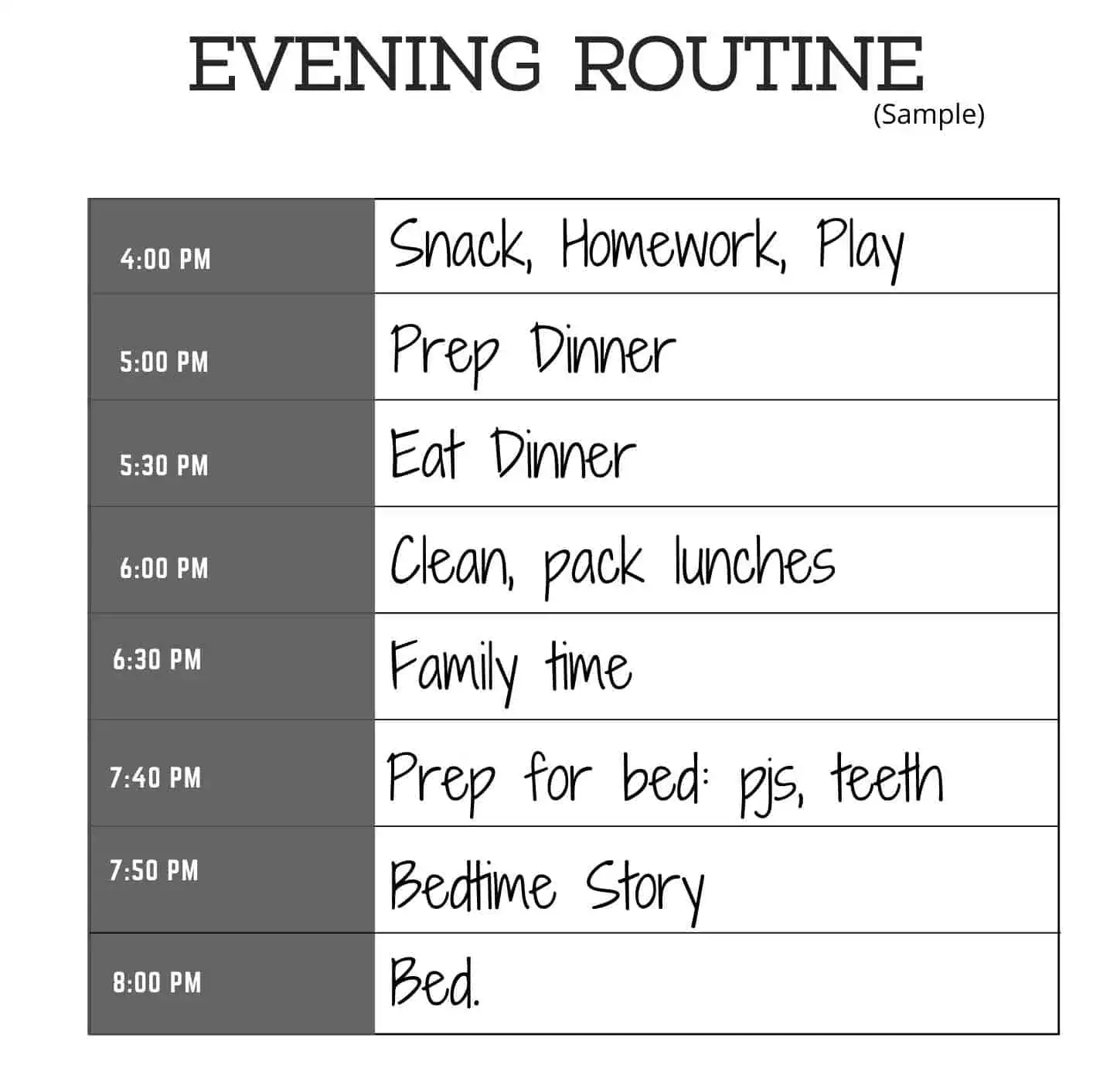
Create a simple daily routine that reflects a school day. Include time for reading, homework, meals, and limited screen use. Predictable structure helps children feel safe and prepared.
Talk about the upcoming school year in a positive way. Discuss goals, friendships, and exciting learning opportunities to build anticipation instead of anxiety.
Having school supplies ready before day one reduces stress and helps children feel prepared and confident.
Essential items may include:
When learners are well equipped, they can focus on learning instead of worrying about what they’re missing.
Younger children need reassurance, routine, and encouragement. Reading together, talking about school activities, and keeping daily routines consistent can make the transition smoother.
Preparing high school learners means encouraging independence and responsibility. Support them to:
A balance of structure and guidance helps older learners manage increasing academic demands with confidence.
Emotional preparation is just as important as academic readiness. While some children feel excited to return to school, others may feel nervous or unsure.
Parents can support emotional well-being by:
A caring and supportive school environment further strengthens emotional confidence during this transition.
At Tulip Combined School, learners are supported through a balanced, learner-focused approach that values both academic success and personal growth.
The school provides:
This approach ensures learners feel supported, motivated, and ready to thrive from the very first day.
A strong start is important, but long-term success comes from consistency. Maintaining routines, encouraging positive study habits, and staying involved in your child’s learning journey makes a lasting difference.
When parents and schools work together, children benefit from a solid foundation for growth throughout the year.
Helping your child move from holiday mode to school mode is about preparation, structure, and emotional support. With the right approach and the right school, learners can begin the year feeling confident, motivated, and ready to succeed.
Choosing a school that values holistic development can make all the difference. Tulip Combined School remains committed to empowering every learner with the support and guidance they need for a successful academic journey.
Explore Tulip Combined School’s academic offerings, or contact the school today to learn how your child can thrive in a supportive, future-focused learning environment.
1. How early should I start back-to-school preparation for my child?
Ideally, parents should begin back-to-school preparation 1–2 weeks before school starts. This allows time to reset sleep routines, organise back-to-school supplies, and mentally prepare children for structured learning.
2. What are the most important back-to-school supplies my child needs?
Essential back-to-school supplies include stationery, books, a durable school bag, and organisational tools like planners or folders. Having everything ready before the first day helps reduce stress and builds confidence.
3. How can I help my child adjust emotionally after the holidays?
Open communication is key. Talk positively about school, acknowledge any nerves, and maintain consistent routines. Schools that provide a nurturing and structured environment make emotional adjustment much easier for learners.
4. How is back-to-school preparation different for high school learners?
Back-to-school preparation for high school focuses more on time management, independence, and academic responsibility. Learners benefit from goal-setting, subject planning, and a supportive school structure that encourages accountability.
5. How does Tulip Combined School support learners during the transition back to school?
Tulip Combined School offers a structured, learner-centered environment with dedicated educators who focus on academic readiness, emotional well-being, and consistent routines, helping learners transition smoothly and succeed throughout the school year.